Talent can win matches, but strong team culture is what keeps an esports roster competitive over time.
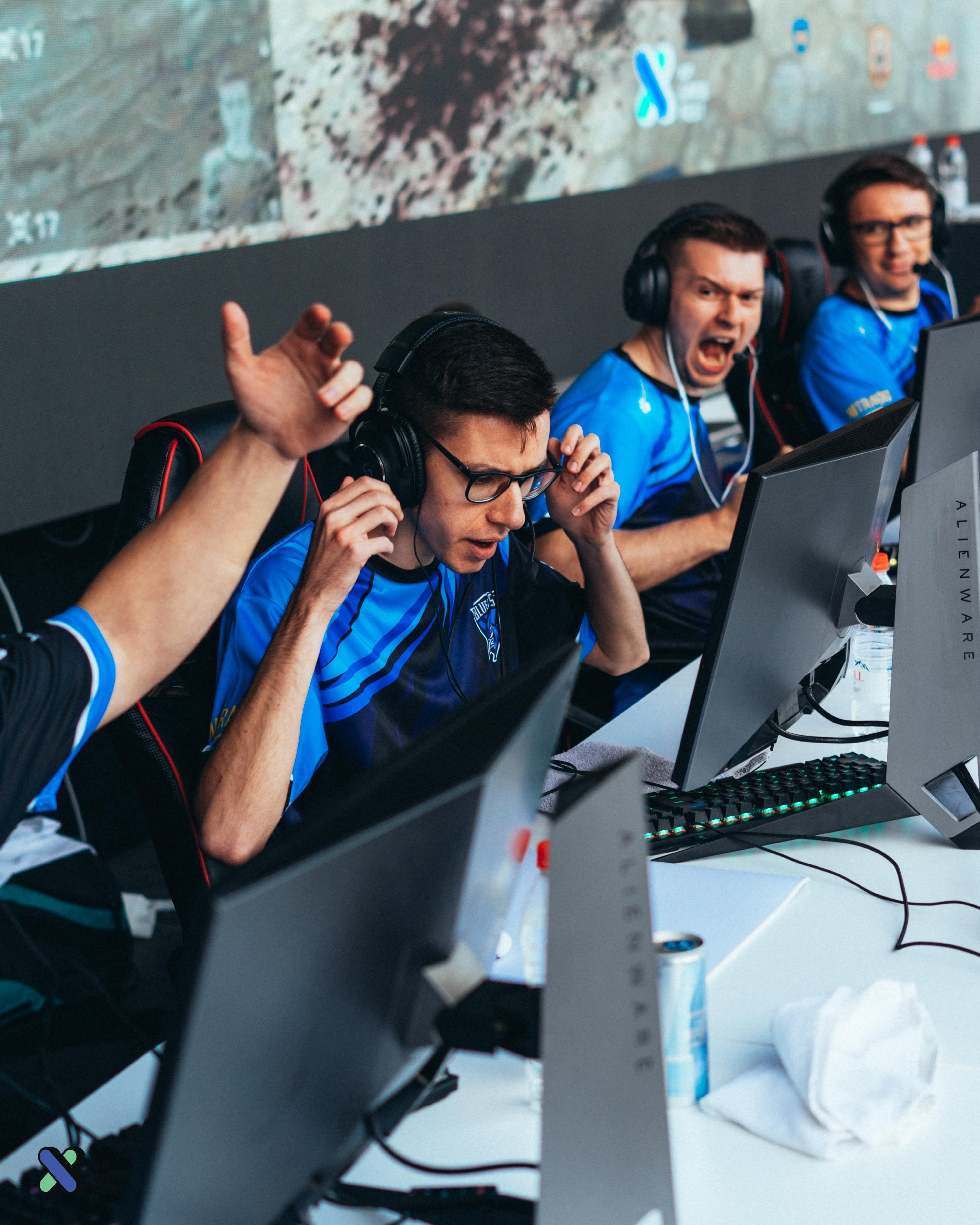
In professional and semi-professional esports, players often spend several hours per day practicing together. They review matches, discuss mistakes, prepare strategies and compete under constant pressure. In this environment, mechanical skill alone is not enough. Teams also need trust, discipline and clear communication.
A strong team culture begins with defined expectations. Every player should understand their role inside and outside the game. This includes punctuality, preparation, communication, media obligations and professional behaviour. When these standards are clear from the beginning, teams can focus more effectively on performance.
Trust is another important factor. Players need to feel comfortable giving and receiving feedback without turning every discussion into a personal conflict. Mistakes are unavoidable in competitive gaming. The important question is how the team responds to them.
Successful teams analyse problems objectively. Instead of blaming one player, they try to understand why a situation happened and how it can be prevented in future matches.
Leadership also plays a central role. A coach, team captain or experienced player can help create structure and keep the team focused during difficult periods. Every roster faces losses, internal disagreements and phases of poor form. Good leadership helps players stay calm and continue working towards shared goals.
At BLUEJAYS Sports, we believe that long-term success is built through more than results. Professionalism, respect and commitment are essential parts of every competitive environment.
A strong team culture does not guarantee victory in every match. However, it gives players the foundation they need to improve, handle pressure and perform consistently.